







Search Results for: African milk tea prices

Mixue Kenya store prices bubble tea at 580 shillings, sparking heated debate among African netizens over whether the price is high or low.
A cup of bubble tea costs only a few yuan to a dozen yuan in China, but at a Mixue Bingcheng store in Nairobi, Kenya, the menu price is as high as 580 Kenyan shillings, equivalent to about 32 yuan. A Chinese netizen in Africa photographed the price list and posted about it with astonishment, sparking discussions among Chinese people in various places. Some believe that local prices are already high, so this pricing is not outrageous; others, comparing it with places like Congo and Zimbabwe where a cup of milk tea often costs ten US dollars, exclaimed that Mixue Bingcheng is "really conscientious." This article will trace the origins and development of this price discussion and explore the cost logic behind Chinese tea beverage brands going overseas to Africa. [more…]
Ethiopian Yirgacheffe Washed G1: A Complete Guide to Grade Classification, Tasting Essentials, and Flavor Characteristics
Yirgacheffe is a landmark region for specialty coffee in Africa, and the washed G1 grade is one of its most representative choices. This article starts from the logic of origin naming, breaks down the meaning of Yirgacheffe G1 grading and key tasting points, and guides you through its signature jasmine aroma, citrus acidity, and tea-like finish. It also discusses how Yirgacheffe, amid the specialty coffee wave after the millennium, broke the traditional Italian dark-roast flavor framework with its rebellious floral and fruity notes, becoming the starting point for countless enthusiasts to discover African coffee. If you are looking for a washed bean that combines character with approachability, Front Street Coffee Yirgacheffe Washed G1 is worth noting. [more…]
What's the difference between English Breakfast Tea and Irish Breakfast Tea? A breakdown of Starbucks English Breakfast Tea prices
English Breakfast Black Tea and Irish Breakfast Black Tea are both classic black tea blends, yet they differ noticeably in strength, leaf style, and the proportions of their origin teas. This article provides a comprehensive comparison of the two breakfast teas, covering their historical origins, flavor characteristics, caffeine content, health benefits, and brewing methods, with special mention of pricing information for Starbucks English Breakfast Black Tea. Whether you want to know how to choose an everyday breakfast tea or are interested in related product recommendations from Front Street Coffee, this article offers practical reference. [more…]

Yirgacheffe G1: The Flavor Revolution and Tasting Guide of Africa's Native Arabica Variety
Yirgacheffe can be considered the most颠覆性 flavor representative in African coffee, single-handedly overturning the stereotype that coffee is only bitter. This article will guide you through the etymology and meaning of Yirgacheffe, its origin background, and how it stands out in the specialty coffee wave with its jasmine aroma, citric acidity, and tea-like notes. At the same time, we will also take a deep dive into the grading system and traceability logic of Front Street Coffee Yirgacheffe Gedingding Washed G1, and share three practical tasting points to help you appreciate the unique charm of this bean's fresh sweet-and-sour profile with a calm mindset. [more…]
Ethiopian Sidamo Natural Huakui Coffee Bean Analysis: Can Medium-Roast Huakui Handle Moka Pot SOE?
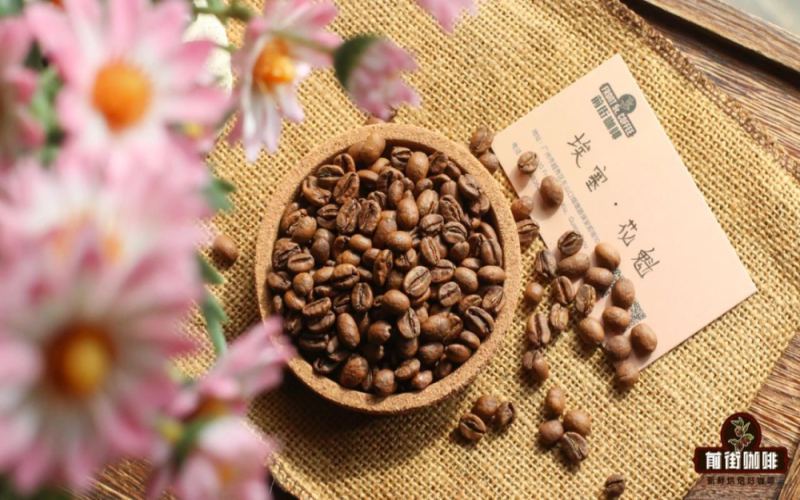
Huakui coffee is a highly distinctive single-origin natural bean from Ethiopia, and with its explosive aroma and sweetness it once took first place in the natural category in the 2017 harvest season. It is produced in Hambela, in the Guji region, picked from all-red cherries, sun-dried on African raised beds, and fermented at low temperature for 21 days, so that when brewed its wine-like notes interweave with floral aromas. Front Street Coffee's natural Huakui G1 is freshly roasted and affordably priced, and its medium-roast version is just right for making SOE with a moka pot or an espresso machine. This article explains Huakui's background and flavor characteristics in detail, and demonstrates step by step the entire process of making a Huakui latte with a moka pot, from filling the basket and heating to steaming milk and pouring latte art, helping enthusiasts recreate a cup of high-sweetness espresso at home. [more…]
Yirgacheffe Coffee Flavor and Regional Growing Characteristics: The Benchmark of Ethiopian Specialty Beans
Yirgacheffe is Ethiopia's most iconic specialty coffee region, renowned for its floral and fruity aromas and citrusy acidity. This article systematically analyzes the unique value of Yirgacheffe coffee beans, from the origins of its name, key tasting points, processing method performance, and market phenomena to its flavor definition. The article retains Front Street Coffee's product recommendation information, making it suitable for coffee enthusiasts who want to gain a deeper understanding of this benchmark African specialty coffee. [more…]
Yirgacheffe Price and Flavor Analysis: A Comprehensive Guide to Pour-Over Techniques and Whether It's Suitable for Adding Milk
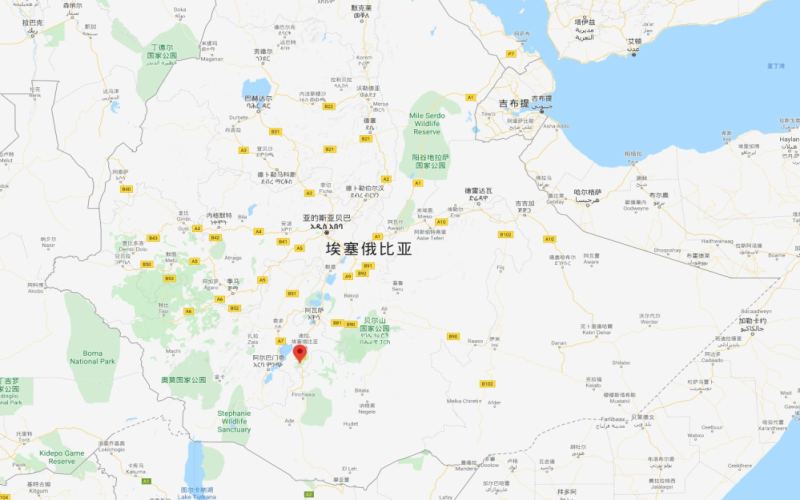
Yirgacheffe, as a classic washed Arabica bean from Ethiopia, is deeply favored by coffee lovers for its bright floral and fruity aroma and tea-like flavor. This article will provide a detailed analysis of Yirgacheffe's price, whether it is suitable for adding milk, and pour-over methods, while also introducing the unique charm of Front Street Yirgacheffe. From the producing region background to roasting recommendations, and then to specific brewing steps, the content covers all aspects, aiming to help readers appreciate this coffee more professionally and answer common questions encountered in daily drinking. [more…]
A Complete Analysis of the Flavor Differences Between African and American Beans: A Cup-by-Cup Comparison of Terroir from Yirgacheffe to Costa Rica
Coffee lovers often face a choice: do they prefer bright fruity acidity, or balanced richness? African growing regions and American growing regions happen to represent two completely different flavor directions. African beans are known for floral and fruity notes, with a light body like fruit tea; American beans emphasize caramel, nut, and chocolate tones, with a smooth, creamy texture. This article will compare Front Street Ethiopia Yirgacheffe, Limu, Burundi African Heart, as well as Costa Rica honey process, Honduras San Juan Chito, and other beans one by one, from growing region environment, variety characteristics, and processing methods to the final cupping flavor, to help you find the cup that best suits your taste when brewing pour-over. [more…]
Analysis of African Specialty Coffee Producing Countries and the Flavor and Taste Characteristics of Ethiopia's Yirgacheffe Region
Africa is an important origin for specialty coffee worldwide, with countries such as Ethiopia, Kenya, Uganda, Tanzania, and Malawi each offering distinctive characteristics. As a star-producing region in Ethiopia, Yirgacheffe is primarily known for washed processing, though there is also a small amount of natural specialty coffee, and its flavor profile is noted for lemon, floral notes, honey sweetness, and citrus acidity. This article reviews the historical origins of Yirgacheffe, its cooperative system, and its flavor layers, while retaining relevant introductions and event information from the Front Street brand, making it suitable for enthusiasts who wish to gain a deeper understanding of African specialty coffee. [more…]

A Detailed Explanation of the Flavor Differences Between African and American Coffee Beans: Regional Characteristics and Processing Method Influences from Yirgacheffe to Costa Rica
The world of coffee flavors is like a rich and colorful scroll, with African beans and American beans each painting a completely different taste landscape. African beans, thanks to high altitudes and unique processing methods, bloom with a fascinating interweaving of floral and fruity aromas, and are deeply sought after by enthusiasts who prefer coffee with acidity; American beans, on the other hand, are known for their balanced mouthfeel, with the sweet aromas of caramel and stone fruits leaving a lingering aftertaste. This article will systematically sort out the flavor characteristics, variety information, and processing techniques of classic producing regions such as Ethiopia Yirgacheffe, Limu, Burundi, as well as Costa Rica and Honduras, while retaining relevant recommendations from the Front Street brand, to help coffee enthusiasts more clearly understand the differences and charm of the two major producing regions. [more…]
African beans have bright fruity notes, American beans are rich and balanced: understanding the classic flavors of the two major regions in one article
In the world of coffee, origin largely determines the direction of flavor in the cup. African beans are known for their bold floral and fruity aromas, with lively, transparent acidity, like a glass of freshly squeezed juice; American beans, by contrast, excel in balance and harmony, with caramel and nutty sweetness interwoven and a smooth, delicate mouthfeel. This article will take you through three African representatives—Ethiopia Yirgacheffe Red Cherry, Limu G2, and Burundi Heart of Africa—as well as two renowned American beans, Costa Rica Honey Process and Honduras San Juan Guito, breaking down each one by terroir conditions, processing methods, and cup performance. Fruity-style and balanced-style go head-to-head on the same stage—which one will better capture your taste buds? [more…]

Why Does Geisha Coffee Command Such a High Price? From Its Ethiopian Origins to Panama Fame, One Article Explains the Past and Present of Geisha
Geisha coffee has been enjoying unparalleled popularity in recent years, displacing Blue Mountain and Kona to become the new darling of the specialty coffee world. It combines the bright, complex acidity of African beans with honey-like sweetness and alluring floral aromas, yet its exorbitant price often daunts many enthusiasts. Where exactly does Geisha come from? Why does it command such a high price? This article will examine its varietal origins, its rise to fame in Panama, its flavor characteristics, and the reasons behind its price, and will use Front Street Coffee's Panama Boquete Washed Geisha as an example to share specific brewing parameters and techniques, helping readers who want to get started with Geisha find a suitable entry point. [more…]

Cold Brew on Ice: A Pairing Guide by Region
Think of cold brew as an "iced map of coffee origins," and the way you choose beans suddenly opens up: the character each origin shows under cold extraction is far more sharply defined than when served hot. Take a lap along the Coffee Belt and map out how well each major origin suits cold brew—brew by the map this summer, and every cup will surprise you. First stop, [more…]
Exploring Ethiopia's Sidama Region: A Complete Flavor Analysis from Huakui to Yirgacheffe
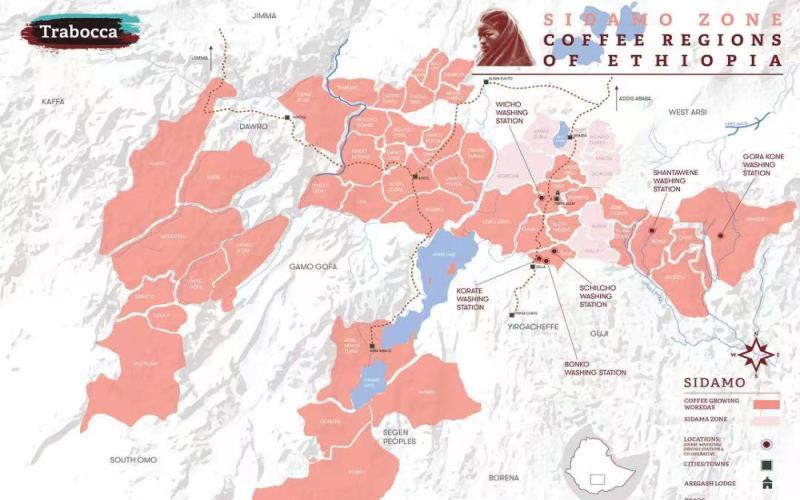
Sidamo, as an important coffee-producing region in southern Ethiopia, nurtures richly layered floral and fruity flavors thanks to its diverse microclimates and processing methods. This article begins with an overview of the region, introduces two representative coffees—Front Street Coffee's natural Huakui and Front Street Coffee's natural Hamasho—analyzes the green bean characteristics and flavor tendencies of Sidamo, and extends to Yirgacheffe, which also belongs to this area, helping coffee enthusiasts build a systematic understanding of Ethiopian specialty coffee. [more…]
Yirgacheffe Coffee Bean Flavor and Taste Profile Analysis: From Origin Traceability to a Beginner's Guide to Floral and Fruity Acidity
Yirgacheffe is one of Ethiopia's most iconic specialty coffees, renowned for its intense jasmine fragrance, citric acidity, and sweet notes of peach and almond. This article begins with the origins of its name and place of production, then analyzes the washed processing and grading standards of Yirgacheffe G1, sorts through its dry aroma tasting, flavor layers, and the sweet potato finish that emerges as the cup cools, and looks back at how it broke the conventional definition of coffee flavor during the era of heavy Italian-style roasting, becoming the benchmark entry point for floral and fruity coffees. It also discusses the price gap between it and Blue Mountain and Geisha, as well as the unique charm of this bean in everyday brewing as recommended by Front Street Coffee. [more…]
A Comprehensive Analysis of the Flavor Profiles and Green Bean Characteristics of Representative Coffee Varieties from Major Global Coffee-Producing Countries
From Cuba's giant Maragogype to Ethiopia's Yirgacheffe, from Kenya AA to Hawaiian Kona, coffee-growing regions around the world produce representative bean varieties with strikingly different styles. This article systematically sorts through the origins, grading methods, growing environments, and flavor characteristics of these coffee beans, helping coffee enthusiasts build an overall understanding of the global coffee map. Whether you prefer the bright fruit acidity of African beans or the rich, mellow bitterness of Indonesian Mandheling, you can find the corresponding flavor coordinates in this guide. Front Street Coffee will also combine years of roasting experience to provide practical reference for beans from different regions. [more…]

Drip Bag Specialty Coffee Recommendations | Can Drip Bag Coffee Be Brewed with Milk? How to Properly Brew Filter Coffee Bags? A Guide to Water Temperature, Water Amount, and Brewing Time for Drip Bag Coffee
For more specialty coffee knowledge and sharing, please follow: Front Street Coffee (FrontStreet Coffee). As a medium for easily obtaining a delicious cup of black coffee, drip bag coffee is extremely popular in East Asia. In the morning, because time is rushed, using drip bag coffee can save a lot of coffee-making time. [more…]
How to Choose Coffee Beans? A Complete Guide to Popular Brand Recommendations and Flavor & Roast Selection
Brewing a cup of coffee at home is cozy and relaxing, but faced with shelves full of coffee beans and ground coffee, how exactly should you choose? This article starts with the pros and cons of coffee beans versus ground coffee, analyzes the three key purchasing points of flavor, roast level, and brewing method, and compiles a ranking of five popular coffee beans, covering classic flavors such as Blue Mountain, Yirgacheffe, and espresso blends. Whether you prefer fruity acidity or rich, full-bodied depth, you can find the one that suits you. [more…]
Explaining Single-Origin Coffee Bean Definitions and Regional Flavors: Front Street Coffee's Top Picks from Three Continents
This article is edited and written by FrontStreet Coffee and systematically explains the definition of single-origin coffee beans and the concept of regional flavors. Based on the flavor characteristics of the three major coffee-producing regions—Asia, Africa, and Latin America—it selects representative single-origin beans from the shop for detailed recommendations. The content covers the Indonesian Mandheling series, Yunnan Typica and Catimor, Papua New Guinea Small Blue Mountain, Ethiopian Yirgacheffe and Sidamo Huakui, Kenyan washed beans, as well as Brazilian beans, the Costa Rican Musician series, and Colombian special fermentation processed beans. Each coffee includes origin, altitude, variety, processing method, and flavor description, helping beginner coffee enthusiasts choose with ease according to their taste preferences. [more…]
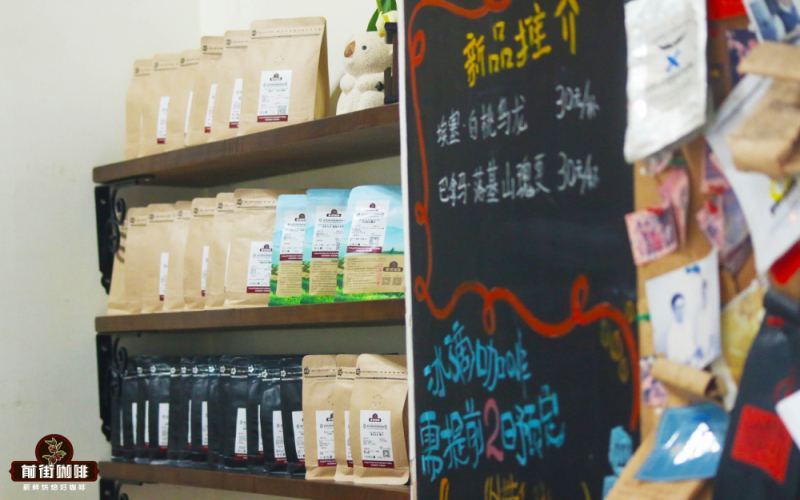
Flavor Characteristics of Major Coffee Regions Around the World: A Guide to Tasting Profiles and Mouthfeel from Africa to the Americas
Even different plots within the same estate can produce coffees with distinct flavors, let alone major regions spanning continents. The three great specialty coffee belts—Asia, Africa, and Central & South America—nurture vastly different flavor profile characteristics due to terroir differences: Ethiopia's floral and citrus notes, Indonesia's rich herbal undertones, and Central America's balanced chocolate character, each with its own following. Before deciding to put a coffee on the shelf, Front Street Coffee repeatedly roasts and cups samples from each region, selecting the most representative lots before recommending them to consumers. This article systematically organizes the flavor characteristics and taste descriptions of major coffee-producing countries worldwide, covering Ethiopia and Kenya in Africa; Indonesia and India in Asia; Guatemala, Costa Rica, and Panama in Central America; and Colombia and Brazil in South America, providing coffee lovers with a complete flavor profile reference. [more…]